Monday, 26 September 2011

Cawl - it's Welsh for soup

Yummy soup
Auntie Anne has been to Wales and tasted some very yummy soup called lobscows, but it's also sometimes known as cawl.  (pronounced 'cowl')
A nice bit of brisket
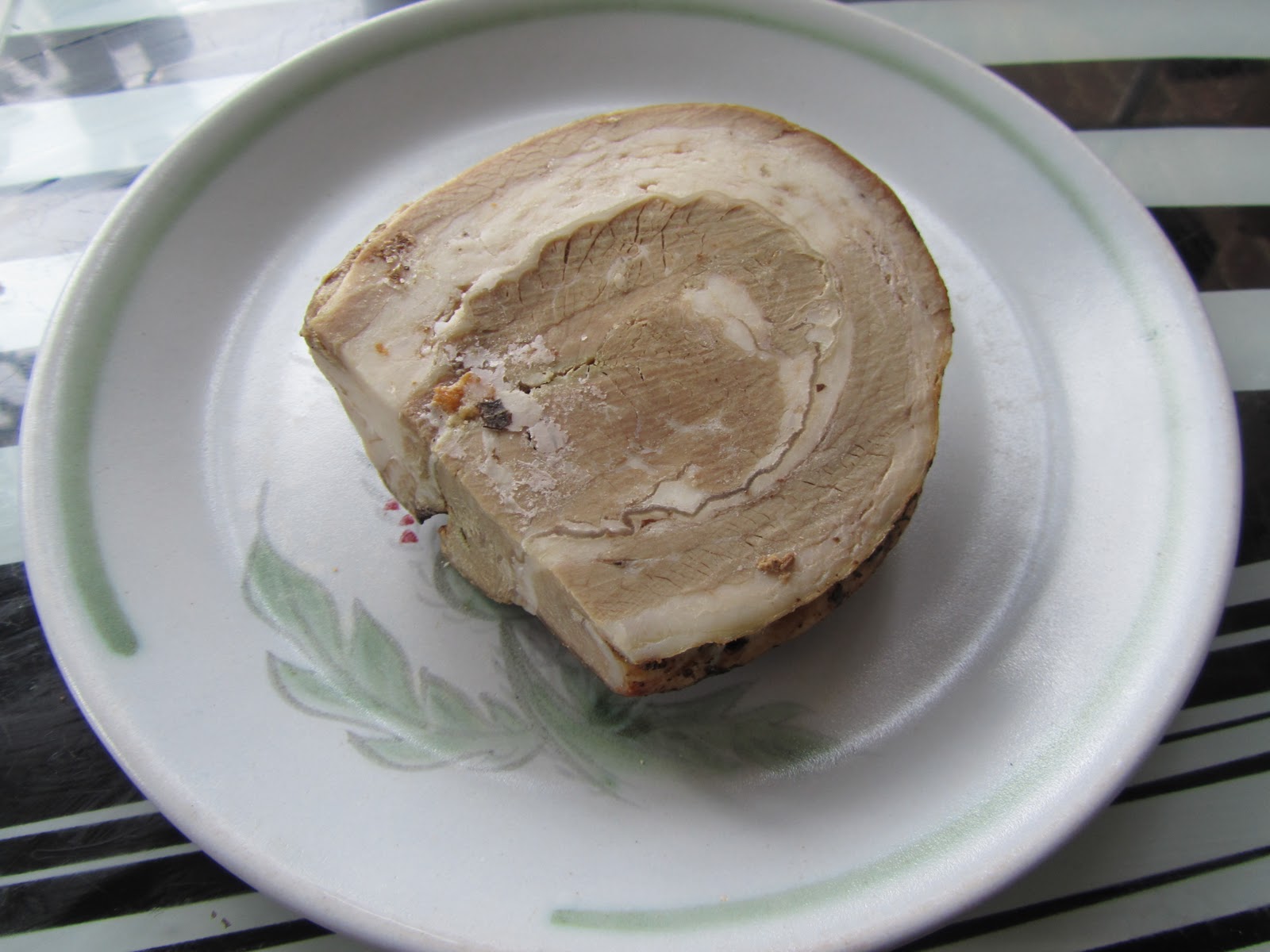
Basically it's a thickened vegetable stock with pieces of meat, usually lamb or beef. You can either start with a piece of meat, such as neck of lamb, or a bit of brisket, and boil it with vegetables to make a stock; or you can make a basic veg soup and add bits of meat to it afterwards. 
Cut out the fatty bits from the meat
It's a great way to use up leftover meat and to make sure you don't waste tail-ends of vegetables in your cupboard.

Sunday, 21 August 2011

Bramble vodka, damson gin and other yummy booze

Today was warm and sunny and perfect for hedgerow harvesting. Here's my haul from my locality. There's blackberries, haws, wild plums and elderberries.

There were also some sloes:
Some of these things are going to be turned into a hedgerow jelly (with the help of some crab apples that aren't in the photos) but the rest will be yummy drinks by Christmas. Here's how to make bramble vodka.
Bramble, for those who don't know, is a country name for blackberry.


Start by washing a big jar that can be sealed. Rinse some blackberries and put them in the jar.
Add enough sugar to cover them well. About like this:

Now chuck in a bottle of cheap vodka. The cheaper the better. You really don't need posh stuff for this recipe.
Now give the jar a good shake until the sugar has all dissolved. Leave it somewhere cool and dark. It will need a good shake once a day for a week, once a week for a month, then whenever you think about it for another couple of months. In three months or so you can decant it into fancy bottles. Just in time for Christmas.
The same method works with gin and sloes, or (as in the photo) gin and damsons.

Sunday, 14 August 2011

Comfort food

There's something about the food you remember from your childhood.  It can be very comforting to return to it as an adult. One of my favourites was what used to be called 'spuds and onions in the pan' because it didn't need a fancier name.

Start by slicing up some potatoes and onions. New potatoes won't work in this dish. Wash the spuds well and slice them. Don't bother to peel. Slice the onions into rings.
Put about two teaspoons of cooking oil in the bottom of a heavy-bottomed frying pan. Layer the onions and potatoes, starting with onions. Season it well with salt and pepper and add about 200ml of water. Put a lid on the pan.
If you don't have a lid - use a plate! Put the pan on a medium heat and let it simmer for about 10 minutes. Check regularly to make sure it hasn't boiled dry. Test the potatoes from time to time to see if they're cooked.  It'll take about 10-15 minutes depending on how thickly you've sliced the spuds.

When the spuds are cooked, take the lid off and boil it rapidly to reduce the liquid. It's done as soon as the onions start to stick. See the picture at the top to see how they should look.

Goes well with a thick slice of corned beef, or a couple of rashers of bacon.

Wednesday, 13 July 2011

(Healthy-ish) cheesecake

The Auntie Anne household is exclusively diabetic so we're always on the hunt for sugar-free treats. (To cut a long story short we have to watch our cholesterol too, but this isn't a medical blog so go elsewhere if you want to know more about that bit.....)

So we bought some sugar-free ginger biscuits at a food fair and- to be honest - they were awful! We thought about pouring custard over them but that seemed a bit feeble so here's what happened:

Bash the biscuits into crumbs. (Stick them in a plastic bag and hit them with a rolling pin). Melt about an ounce of butter. Yes, it has to be butter. Low-fat spreads don't hold their shape. This is the only naughty bit in the whole process! Add the crumbs and stir around until they are well covered, then press them into the bottom of a serving dish.


 I also put a collar of greaseproof round it because this dish is quite shallow.  If you want to turn out your cheesecake at the end, use a loose-bottomed dish. Pop it in the fridge to set while you make the topping.
Next mix a 250g pot of light cream cheese with a good dollop of natural yoghurt. The exact amount you need will vary with how thick it is. If it's too runny you don't need so much. But look at the picture for a rough guide.  Also add a couple of tablespoons of artifical sweetener. (If you're not diabetic you can use icing sugar.)

Split a vanilla pod and scrape out the seeds. Add the seeds to the cheese mixture. DO NOT DISCARD THE POD. There are things you can still do with it!

Give the cheese mixture a really good stir then pour it onto the biscuit base.  Put it back in the fridge to set, preferably overnight. Make a nice pattern on it if you like or you can just spread it thusly:


ENJOY!

Sunday, 10 July 2011

Paella - how to make use of great seafood

It's seafood season - the mussels and clams are excellent right now and so we made use of some of them this week.


For two people you are going to need:

About half to three quarters of a pound of mixed mussels and clams (see below for preparation)
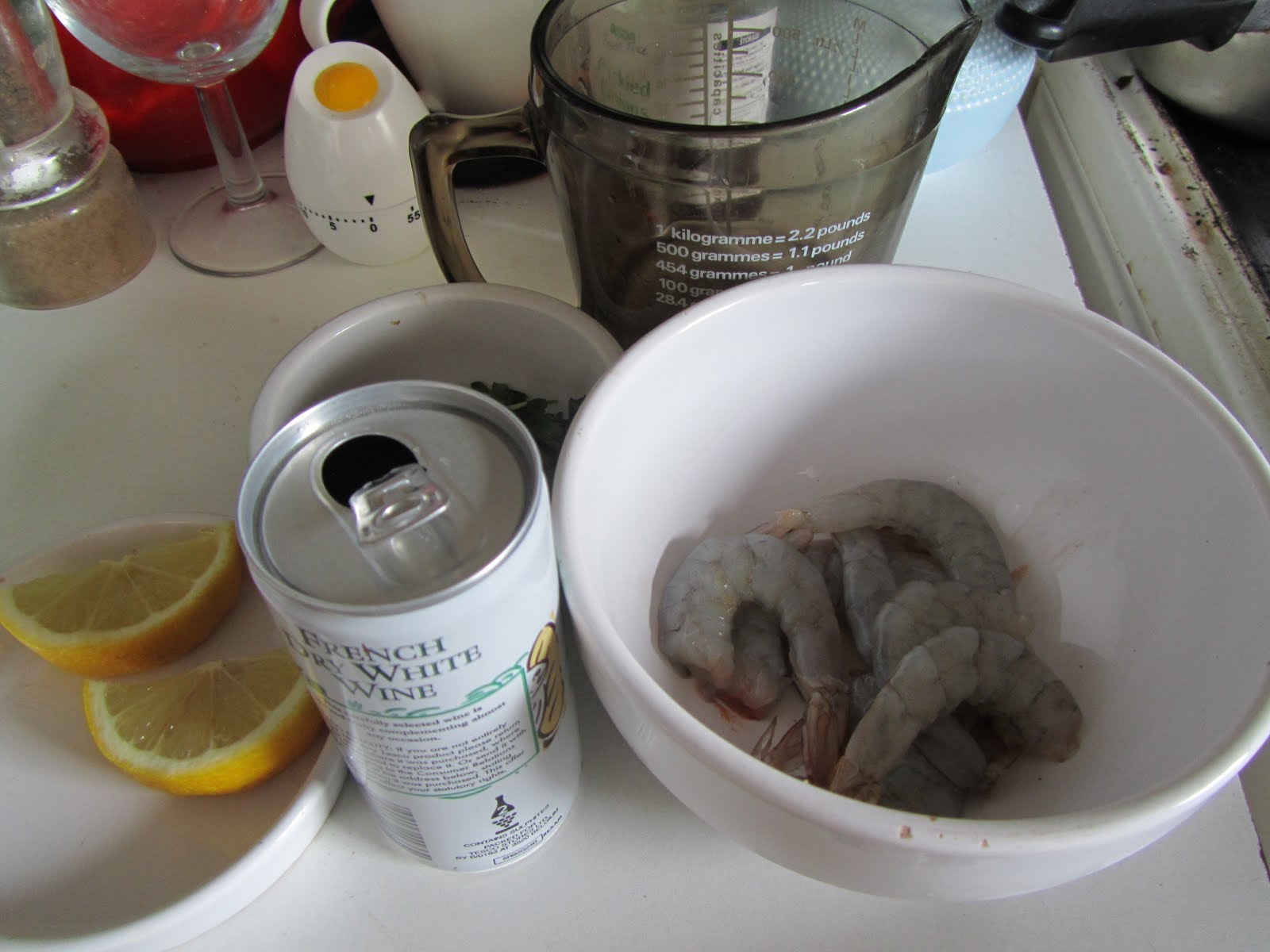
8 prawns
About two thumbs' worth of chorizo (chopped)
Some bits of cooked chicken
Onion (finely chopped)
Bell pepper - any colour you like (finely chopped)
A pinch of saffron
Olive oil and cooking oil (about a tablespoon altogether)
A couple of tomatoes (chopped)
250g (6oz) of paella rice (or any other kind except basmati really)
A good glug of white wine
Half a pint of chicken stock
Lots more water
Chopped flat-leaved parsley
Some lemon wedges for garnish

A big, heavy-based frying pan & a large pan with a lid.

Mise en place
Start by doing all your preparation. Trust me, it'll make life easier. Chefs call it 'mise on place' but don't let that put you off.  Having everything handy makes for a better dish because you don't stress out midway.

Chop up your onions and peppers and tomatoes and parsley first. Put your lidded pan on the stove with a glug of white wine and a small amount of chopped onion and some chopped parsley and a bit of cooking oil in it.  Put the frying pan on a bigger stove-ring and add the oils.

Prepare your prawns: take the heads off and peel off the main part of the body skin and legs. You can leave the tail bit on if you want to be cheffy but it doesn't matter. DO NOT THROW AWAY THE SHELLS! See below for what to do with them.

Prepare your clams and mussels. (see below)

When you've chopped and peeled and prepared you can turn on the heat under the frying pan and add the onions and pepper and saffron and tomato. Fry gently until the onions soften. Add the rice and fry for a little longer until it starts to look translucent. At this point you can put the heat on under the other pan. Then you can add the chorizo and the chicken to the frying pan.

Two quick stirs and then add the wine. When it starts to bubble start to add thestock. Put it in a little at a time and stir it all round until it begins to absorb into the rice. Keep adding and, when you run out of stock, add water. Keep it bubbling until the rice is soft and edible. (try a single grain from time to time to check)

Meanwhile, add your prepared clams and mussels to the lidded pan and turn up the heat. About 30 seconds later give the pan a good shake and lift the lid up. The shells should be starting to open. Give it another 30 seconds and try again. Do not cook for more than 2  minutes! Take it off the heat as soon as they're open. Discard any that don't open.
Cooked mussels and clams
Add the peeled prawns and stir the mixture till they start to turn pink. If your rice isn't cooked yet you can add the mussel and clam juice.
Add the prawns

Once the rice is softened, add the cooked clams and mussels to the pan. Stir in the rest of the chopped parsley. Decorate with lemon wedges and serve immediately.

HOW TO PREPARE MUSSELS AND CLAMS
Buy live prawns and clams from your fishmonger. If you are sold them in a plastic bag, put a hole in it to ensure an oxygen supply. Keep them as cool as possible on your journey home. As soon as you get home throw them into a large bowl or bucket of water with some salt added and a teaspoon or so of flour.
When you need to prepare them, you don't need to do much to clams other than rinse them and throw out any that aren't closed. Give them a good shake. If any of them remain open when you give them a hard rap with your knuckles, throw them away. Use a sharp knife to scrape off any barnacles from the mussels. The mussels have a furry bit that sticks out from the inner curve of the shell. It's called a beard. Use your knife to pull this away.

As soon as you've scraped and beard-pulled they're ready to use.

WHAT TO DO WITH PRAWN HEADS AND SHELLS
Put any peelings and heads into a small pan with a good grinding of black pepper, a squeeze of lemon juice, a hefty glug of white wine and some water. Boil them for about 10 minutes. Let it cool and then bash the shells up with a potato masher to extract all the flavour. Strain it into a jug and let it cool completely and then freeze it for use later.

Monday, 4 July 2011

Start collecting now to save money later

For the next few weeks start collecting used jars and bottles. Don't put them in the recycling. Find a corner in your kitchen (mine's in the cupboard under the sink) to stash them away. Make sure their lids fit and then put them (unlidded) into a lot of cold water so that the labels soften and can be peeled off. Take the labels off, put their lids back on, then store them away.(If any of the labels fight with you, don't waste too much energy. Put that one in the recycling and go on to the next jar.)

The next few weeks- up till about the end of October - will bring a glut of things that can be turned into jam, pickle and interesting alcoholic drinks. Buying new glassware costs a fortune. A decent sized jam jar will knock you back a couple of quid from that fancy shop in the High Street (yes - THAT one.)
If you're the kind of person who likes those fancy hats on your home-made jam you might like to start looking out for a yard or so of cotton cloth at your local market too.

Every time you go shopping for the next few weeks buy one of the following: sugar (for jams and chutneys), white wine vinegar or cider vinegar (for pickles and chutneys) and half bottles of cheap gin or vodka (for sloe gin and bramble vodka)

Recipes will follow as the seasons progress.

Saturday, 7 May 2011

A gardening trick

This is a little trick that I learned from my dad. Don't waste your money on compost pots to plant out your seedlings. Use the inside tubes from toilet rolls to sow a couple of seeds and, when the plants are big enough, plant out the whole thing. The roots will make their way through the cardboard as it rots away.